
Introduction
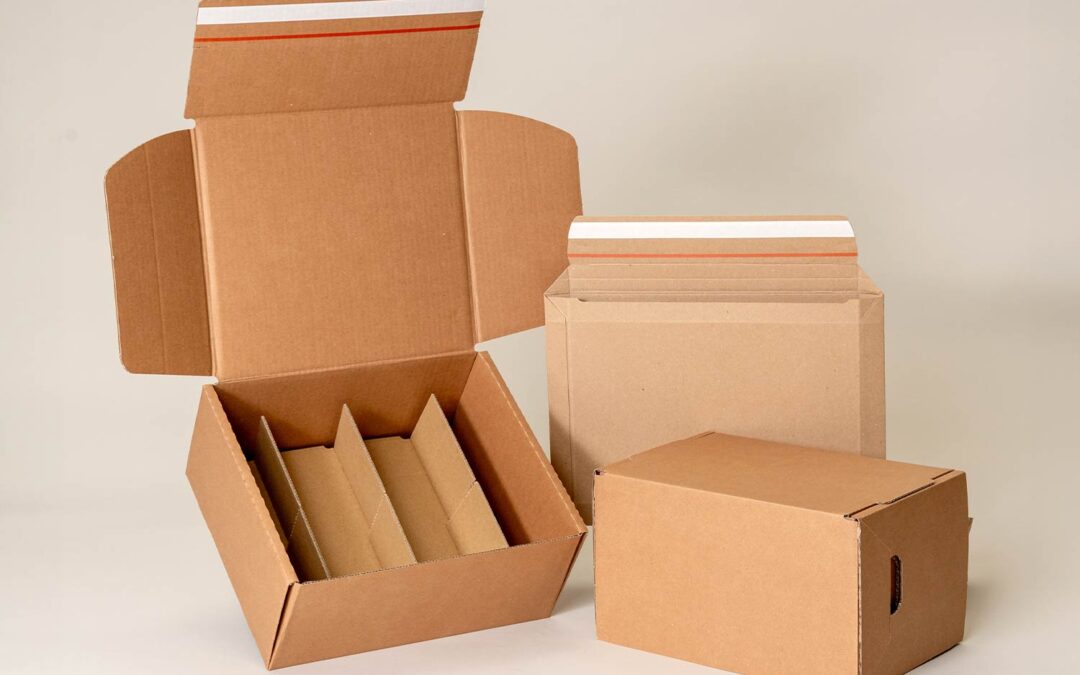
Cardboard boxes are among the most widespread materials in our daily lives, found almost everywhere around us—in stores, restaurants, homes and offices. These boxes are no longer just a means of packaging products; they have become an essential part of our modern lifestyle due to their convenience, protection, elegant appearance, and environmental friendliness.
1st: In Packaging and Transportation
Cardboard boxes are primarily used for packaging and transporting products. It protects goods during transit, whether they are food items, electrical appliances, clothing, or beauty products.
They also help companies display their products in an organized and professional manner, and are often printed with the company logo and product information, thus enhancing brand identity.
2nd: at home
At home, cardboard boxes have many uses:
Storing items such as toys, books, and seasonal supplies.
Reusing them as gift boxes or in organizing clothes.
Crafts projects: Children and adults use them to create art projects or simple decorations.
These uses make cardboard boxes a practical and economical way to organize space within the home.
3rd: In Restaurants and Retail Stores
Cardboard has become an essential element in the food and beverage sector, especially after the delivery services spread.
Cardboard boxes are used to package pizzas, sandwiches, sweets, and drinks, keeping the food hot and safe until it reaches the consumer.
Its attractive designs contribute in improving the customer experience and brand promoting.
4th: In E-commerce
Due the expansion of online shopping, the importance of cardboard boxes has increased significantly. They are used to package and ship products from online stores to customers, ensuring product protection during transit.
These boxes are specially designed to match the store’s identity and lend a professional touch to the delivery process.
5th: Preserving the environment
One of the most important advantages of cardboard boxes is that they are recyclable, making them an environmentally friendly option compared to plastic materials.
They can be reused more than once before being disposed of, which helps reduce waste and preserve natural resources.
Conclusion
Cardboard boxes are no longer just a packaging tool; they have become an essential element of our daily lives, combining aesthetics and practicality.
They are everywhere — in stores, homes, restaurants, and even while we shop online — and have become one of the most useful inventions in our modern lives.